Modern React Component Architecture: Patterns and Anti-Patterns
UA Labs Team
Contributing Tech Specialist
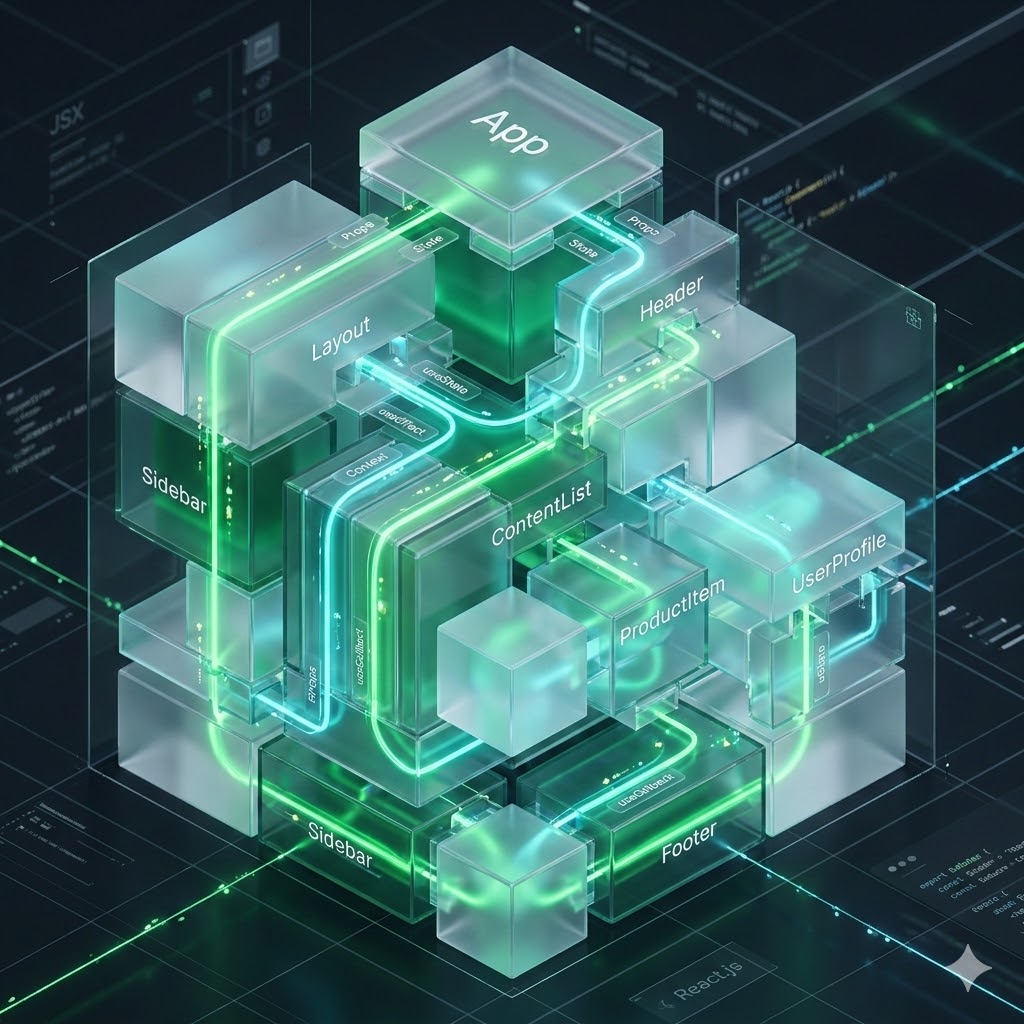
React has matured. In 2025, technical debt isn't just about 'messy code'; it's about architectural misalignment. With the introduction of React 19's new features and the dominance of Server Components, how we structure our components has fundamentally changed.
Pattern 1: The Compound Component
This pattern is essential for building flexible dashboard components. Instead of a 'Mega-Component' with 30 props, you break it down into specialized sub-components that share state via Context. This makes your UI highly composable and readable.
| Type | Problem it Solves | Key Concept |
|---|---|---|
| Compound | Prop explosion / Inflexible UI | Composition over Props |
| Headless | Accessibility & Styling conflicts | Logic-only components |
| Custom Hooks | State duplication | Encapsulated logic |
| Container/Presentational | Data scattering | Separation of concerns |
Pattern 2: Headless UI for Design Systems
Consistency is king in enterprise apps. By using 'Headless' components (like Radix or UA Labs' internal libraries), you get the accessibility and keyboard logic for free, while retaining 100% control over the CSS. This prevents your design system from becoming a 'CSS-in-JS' nightmare.
Common Anti-Patterns to Avoid
- Prop Drilling: Passing data through 5 layers of UI instead of using Context or a global state manager.
- The 'Everything-Hook': Creating a 500-line `useLogic` hook that does 10 different things.
- Over-Memoization: Prematurely using `useMemo` and `useCallback` everywhere, making the code harder to read without performance gain.
- Misusing Client Directives: Marking every component with `'use client'` and losing the benefits of Server Components.
Conclusion
Great architecture isn't about complexity; it's about clarity. By choosing the right patterns for your design system, you ensure that your codebase remains a pleasure to work in for years to come.
Enjoyed this article?
Share these insights with your network and help others build better software.